
How to Find Time to Write When You Work Full-Time: A Writer's Honest Guide
One of the most common questions I hear from fellow writers is:
"How do I find time to write when I work full-time?"
It's a fair question. Between work, family, friendships, responsibilities and the general business of life, finding time to be creative can feel almo
st impossible.
The advice we're often given doesn't help either. We're told to get up at 5am, write every day without fail, create the perfect routine, or somehow quit our jobs and dedicate ourselves entirely to writing.
But what if that's not realistic? I've worked in pubs, nightclubs and cafés. I've worked as an usher in a West End theatre. I once made coffee at the BBC for editors and producers. Alongside those jobs, I was trying to write poetry, radio scripts, theatre scripts, feature film scripts, TV scripts and fantasy novels. I was submitting work to competitions, writing schemes and development programmes whenever I could.
And I did it all whilst working. I wrote on napkins, receipts and scraps of paper. I filled pocket-sized notebooks during breaks. I scribbled ideas late at night after work and carried stories around in my head between shifts.
So if you're wondering whether it's possible to be a serious writer while working full-time, my answer is simple: Yes. Absolutely.
But it may not look the way you think it should.
The Biggest Mistake I Made
For years, I believed that the solution was simply to find more hours. So I stayed up too late. I drank too much coffee. I pushed myself to keep writing even when I was exhausted. The result wasn't more creativity. It was burnout.
I found it difficult to focus on projects because I was constantly fragmented, trying to squeeze writing into tiny gaps between shifts and responsibilities. Ideas that once excited me began to lose their spark because I never had enough uninterrupted time to properly explore them.
Perhaps worst of all, I developed a sense of guilt and low self-esteem. I felt like I wasn't doing enough, despite working incredibly hard.
Looking back, I realise that exhaustion does not make for a creative brain.
Being tired isn't the same thing as being dedicated.
Why Capturing Ideas Isn't the Same as Writing
I still believe there's enormous value in writing things down whenever inspiration strikes. A conversation overheard on a bus. An interesting phrase. A character idea. A reminder of where your story should go next.
I carried notebooks everywhere for years and I still jot down ideas whenever they arrive.
But eventually I realised something important:
Collecting ideas and writing a project are not the same thing.
Notebooks can help you gather material, but sooner or later you need time to sit down and actually work. Whether you're writing a novel, a screenplay, a collection of poems or a theatre script, a project needs dedicated attention if it's going to reach the finish line.

The Thing That Finally Worked
The biggest shift came when I stopped trying to fit serious writing into my breaks and started deliberately making time for it.
That wasn't easy.
At the time I was working multiple jobs and earning a low income. Every spare hour felt valuable. There was always another shift I could work or another way I could be earning money.
But eventually I realised that nobody was going to create writing time for me. I had to do it myself. I began scheduling blocks of time that belonged to my writing and nothing else. For me, two hours became the magic minimum. That's usually enough time to settle in, get past distractions and find some kind of flow.
Sometimes I wrote at home. Sometimes I went to a café. Sometimes I sat in a library.
The location mattered less than the intention. I was creating a space where writing could happen.
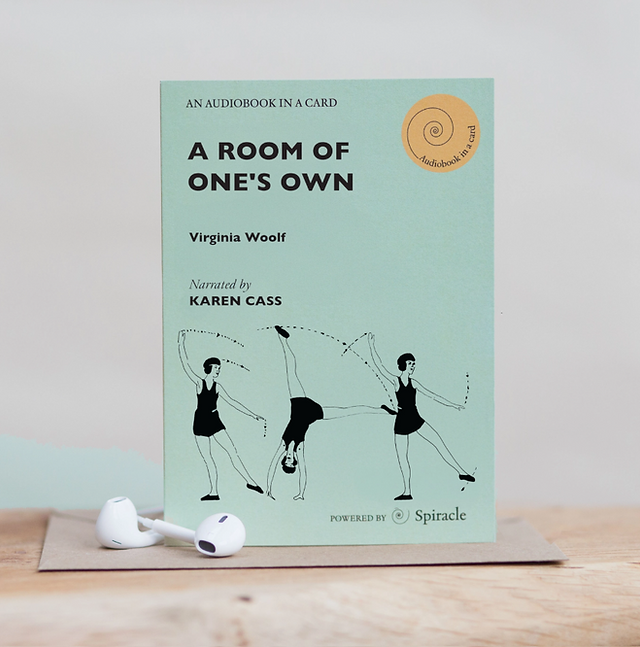
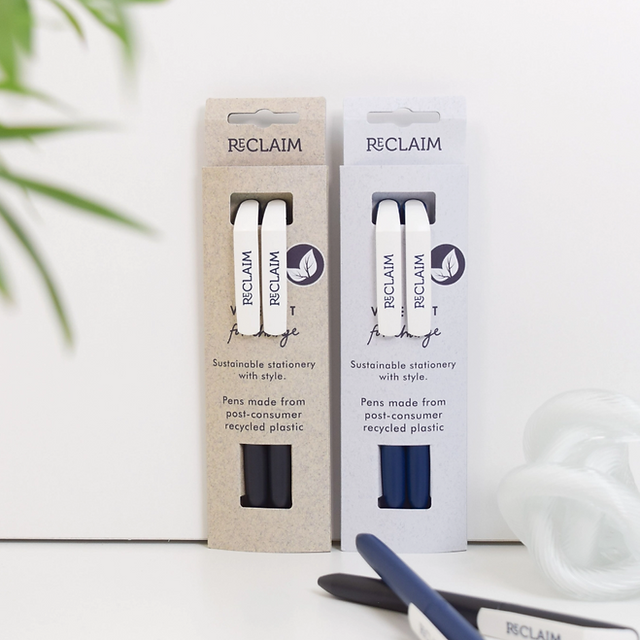
Whilst you're here, have a look at our writing / reading inspired kits and gifts. All proceeds go to funding our community projects.



Forget the Perfect Writing Routine
One piece of advice I disagree with is the idea that successful writers all follow strict routines. For some people, routines work brilliantly. For others, they simply aren't realistic. My life certainly hasn't been predictable.
Today, I'm self-employed and some of my work is dedicated to writing. However, much of my work still involves extensive travel, physical labour and long hours.
I tour theatre shows across the UK and Europe. I spend time living out of hotels and travelling in vans. I work creatively with children in hospitals, often driving long distances. I also run The Lost Luggage Library through Ink & Soul, which involves events, administration, logistics and a great deal of physical work.
No two weeks look the same. Because of that, I've stopped trying to force my life into a rigid schedule. Instead, I plan each week individually. I look ahead and ask: "When can I realistically write this week?"
Some weeks it's two sessions. Sometimes it's one. Sometimes I manage a whole day devoted to my novel. The point is consistency, not perfection.
Can 15 Minutes a Day Be Enough?
The honest answer is yes. Fifteen to twenty minutes a day is infinitely better than doing nothing because you're waiting for the perfect moment.
In fact, short writing sessions can be incredibly powerful. They help build momentum. They reduce perfectionism. They teach you to work with the time you have rather than wishing for more.
When I have periods where daily writing is possible, I often set myself a simple word-count goal. At one point that was 300 words a day. Three hundred words doesn't sound like much. But write 300 words every day for a year and you've written over 100,000 words. That's a novel.
Writing is a bit like exercising a muscle. Consistency builds strength. The more regularly you write, the easier it becomes to find focus and develop your own creative rhythm.

You Can Be a Serious Writer and Work Full-Time
This is something I feel strongly about. There is a persistent myth that "real writers" write full-time. I don't believe that's true. Many published and professional writers continue working alongside their creative careers.
I've always worked while writing. The theatre scripts I've had produced were written whilst employed. One example was my work on Breathe with the theatre company Half a String.
The script evolved through rehearsal and collaboration, and over time I worked with the director to shape and refine it. Later, we adapted the production into a picture book, which I developed alongside the illustrator and editor. I adapted large parts of that book while working full-time on a show in Paris. In fact, I remember spending valuable free time in a flat working on the manuscript rather than exploring the city.
Was it glamorous?
Not particularly.
Was it worth it?
Absolutely.
Projects are often completed through small acts of persistence rather than huge bursts of inspiration.
What To Do When You're Exhausted
Let's be honest. Sometimes work leaves you with very little energy. When that happens, I think it's important to remember that your entire identity shouldn't depend on your productivity.
I deliberately make space in my life for things that have nothing to do with work or writing. I spend time with friends. I talk to my family. I care for my animals.
I'm a proud rescue-animal enthusiast with cats, axolotls and quails, and looking after them keeps me grounded. They don't care whether I've finished a chapter or hit a word-count target. They simply want company, care and the occasional biscuit. Those things matter.
Creative work flourishes when we have a full life beyond the page.
And sleep matters too. Much more than I realised when I was younger.

Deadlines Can Be Your Friend
One thing that consistently helps me write is having a deadline. That's one reason I love writing competitions, schemes and opportunities.
Even if I never submit, the existence of a deadline encourages me to keep moving forward rather than endlessly refining the same idea.
Writing groups can have the same effect. Being accountable to other writers helps us stop waiting for perfection. Sometimes the goal is simply to finish something and share it. Perfection can come later.
Finding Your Own Rhythm
If there's one thing I hope you take from this article, it's this:
Finding our own rhythms that work alongside our life and our work is vital for our mental health and our creative spirit.
For years I thought the answer was finding more time. Now I think the answer is finding a rhythm.
I've written in cafés, libraries, hotel rooms, theatre dressing rooms and at my desk at home. I've written whilst working in hospitality, whilst touring productions and whilst running my own creative projects. None of it has looked like the idealised image of a writer sitting peacefully in a cabin with unlimited time.
But the work still got written.
You don't need the perfect writing schedule.
You don't need a life free from responsibilities.
You don't need permission to call yourself a writer.
You simply need to keep finding ways to return to the page.
Learn more about Ink and Soul CIC
Whilst you're here, have a look at one of our community projects, The Lost Luggage Library -



Comments